Hard to Say I’m Sorry
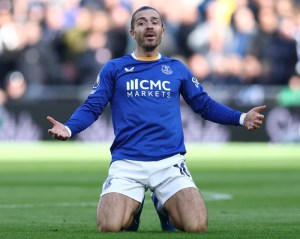
A certain title of a cheesy 80s song from Chicago came to mind this morning after encountering a few “apologies” from the world of pro sports. The Toronto Blue Jays apologized for the social media posts of one of their players. Everton soccer player Jack Grealish apologized for being unavailable to his team. In both cases, it would seem, it is indeed hard to say sorry. Or to understand what an apology actually is.
First, the Blue Jays. One of their players, Anthony Santander, recently shared a few inflammatory posts on Instagram about Michigan senator-elect Abdul El-Sayed and his Islamic faith. This, predictably, set off a firestorm of polarized reactions (do we even know what to any more besides “react” to things?). The Blue Jays scrambled into damage control mode and posted the following “apology” on social media (do we even know how to say anything any more other than on social media?):
The Blue Jays are deeply sorry to the Muslim community and our fans for the pain and harm these Islamophobic posts have caused.
And then there was Jack Grealish. Grealish is probably not as well known to North American sports fans, but he is (was?) a fairly talented soccer player who was a part of Manchester City’s title winning teams a few years ago and now finds himself toiling, less glamorously, for Everton. Grealish is known to be one of English football’s more flamboyant, party-loving personalities and was recently dropped for two of his team’s matches. The reason? He went on a bit of a bender and didn’t bother turning up to practices. Grealish, also, posted an “apology” on social media.
I want to apologize to the fans and everyone at the club for not being able to help the team the last few weeks. I love playing for this club and can’t wait to be back playing in front of you guys in an Everton shirt.
Okay, then.
Harriet Lerner is a well-known author and psychologist who has written a book called Why Won’t You Apologize? Among her criteria for what constitutes a good apology are:
 An apology must specifically address your part, not someone else’s.
- An apology must take responsibility.
The Blue Jays “apology” obviously runs afoul of criteria #1 and Grealish’s of #2. The Toronto Blue Jays did not post something deemed offensive on social media, Anthony Santander did. If Anthony Santander is convinced that he did something wrong, he should apologize for himself. But the Toronto Blue Jays cannot be sorry for him. They can be upset that their player did something dumb on social media. They can be nervous about how this will affect ticket sales. They can lament the PR headache their player has caused them, but they cannot apologize on behalf of someone else. That’s not actually a thing.
And Jack Grealish’s “apology” obviously avoids anything resembling personal responsibility for his behaviour. A real apology might have sounded like, “I’m sorry I got plastered and missed training” or “I’m sorry for prioritizing partying over my teammates” or “I’m sorry for behaving the way I did and for the poor example I have set for young fans of the team.” Something like that. Instead of “I’m sorry I got caught” or “It’s really inconvenient that actions have unpleasant consequences” or “My boss is making me do this so I’ll pretend to be at least somewhat contrite.”
We live in a time where there is enormous moral capital to be gained and lost by what we post online. And, well, actual capital. Pro athletes are not necessarily known for being the brightest bulbs in the drawer but their employers need them to appear virtuous (or at least not contemptible) to continue raking in the millions off their abilities to swing bats and kick balls. And so cue, the PR machine when the athletes say and do inconvenient things. Cue the “apologies.”
But it’s hard to say sorry when you don’t really mean it. Or when you don’t even know what the word means.
Discover more from Rumblings
Subscribe to get the latest posts sent to your email.


